What mattersShow
- The three-month delay affects investors and infrastructure operators counting on the LEO fleet rollout timeline for Telesat’s next-generation satellite service.
- Primary sector: Satellite & Space Systems
- The next observable evidence is MDA's confirmed completion date for the two 'pathfinder' satellites, or Telesat announcing a revised launch cadence with SpaceX.
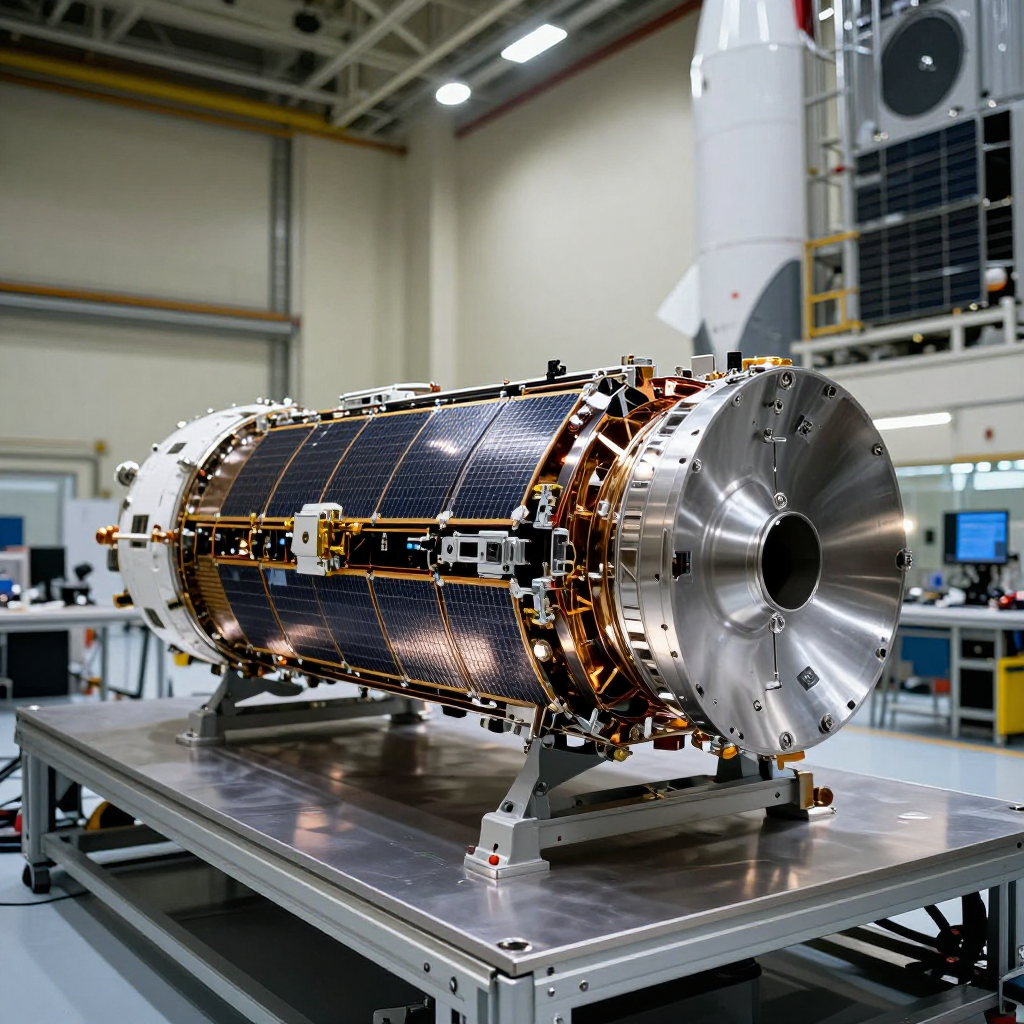
Telesat announced a three-month delay in launching its first Lightspeed constellation craft. CEO Dan Goldberg stated that the slip is due to delays in the construction of the initial 'pathfinder' satellites, which are being developed by MDA Space. This manufacturing constraint creates a knock-on effect on Telesat’s reserved launch schedule with SpaceX.
The operational timeline has shifted; Telesat reportedly aims to launch the two pathfinders using a SpaceX rocket around June 2028. The initial fleet requires 156 satellites, and Telesat currently has 14 launches booked with SpaceX, needing one more to complete that initial deployment phase. Following the pathfinder launch, Telesat expects SpaceX to handle deployments of 15 Lightspeed satellites every three weeks in mid-to-late 2028.
Investors should re-evaluate capital deployment timelines given the shift toward a June 2028 pathfinder launch date and the current performance headwinds in the GEO segment.
While addressing the LEO delay, Goldberg also provided a financial update on the company’s existing Geostationary Orbit (GEO) business. For the quarter ended September 30th, Telesat reported GEO revenue of $79 million, representing a 21 percent decrease compared to the prior year. The decline was attributed primarily to non-renewal of a broadcast contract and capacity reductions for several customers.
Despite the segment downturn, Telesat confirmed it is reiterating its 2026 GEO revenue guidance while maintaining a disciplined approach to cost management in that business. Separately, the company noted it had invested C$3.1 billion (€1.9bn) into Lightspeed as of September 30th.
Put this signal in context
Get the week’s essential Canadian tech.
Five minutes. One useful email. No noise.
Sources & technical notesShowHide
Where this story is grounded
Check the cited material to distinguish announcements from demonstrated results.
Evidence limit: The analysis relies on reported company claims regarding investment levels and operational timelines; independent verification of satellite manufacturing progress was not provided.
What to evaluate next
This box highlights the systems, workflows, and decisions the article helps you assess.
Stay in the signal after this story.
Follow the company page, then jump into the broader sector hub before you leave the story.
Keep the company context attached as you read the rest of the coverage.
Weekly Canadian tech signals, distilled for operators.
Subscribe to the signalFree weekly briefing • Unsubscribe anytime
A practical report for decision-makers tracking energy, grid, digital backbone, and materials choices that shape Canada's critical infrastructure build-out.
Open resource