What mattersShow
- The narrative surrounding quantum computing often focuses on theoretical breakthroughs
- Primary sector: Quantum Computing
- Open the company page to keep the follow-up signal in view.
The narrative surrounding quantum computing often focuses on theoretical breakthroughs—the promise of Qubits and exponential computational power. However, the operational reality, as highlighted by Xanadu Quantum Technologies Ltd., is that this frontier technology demands massive capital expenditure, highly sophisticated engineering partnerships, and a clear roadmap for commercial deployment.
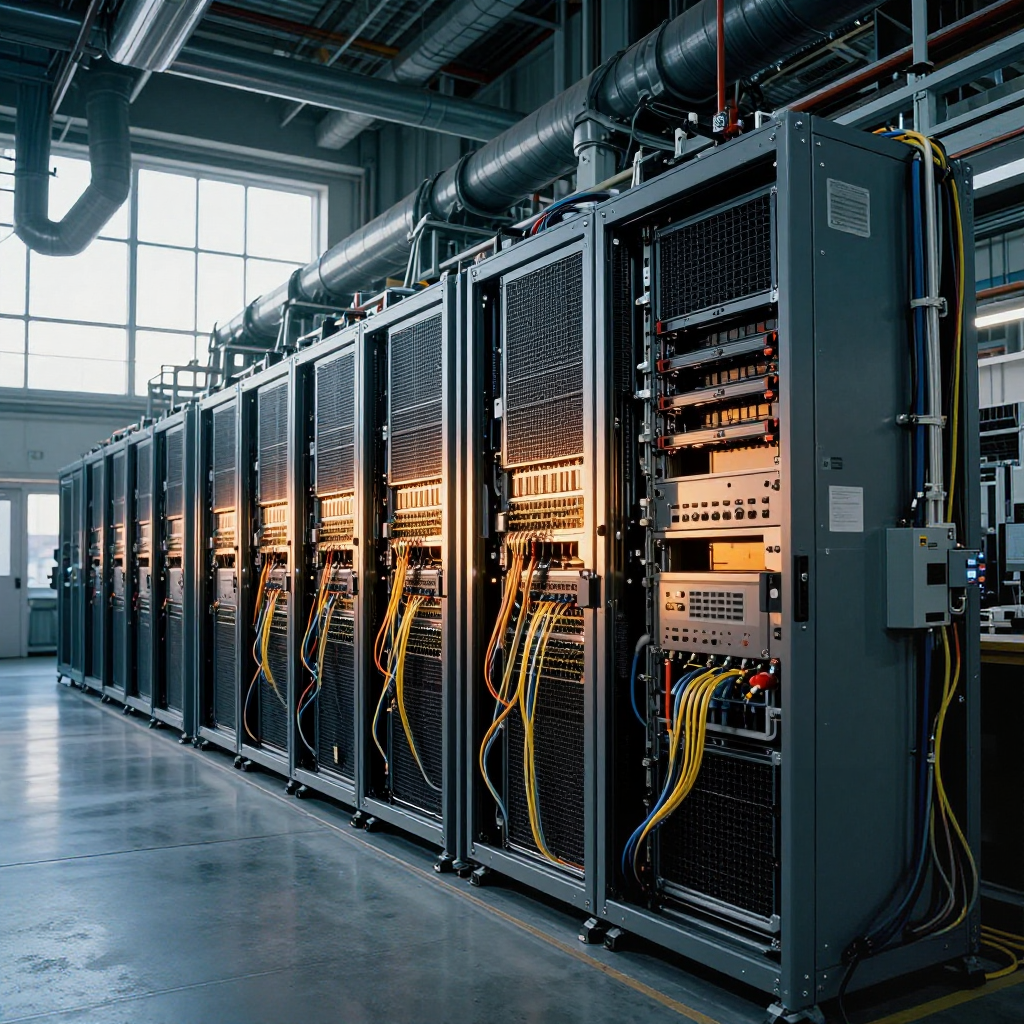
Christian Weedbrook, the founder of Xanadu, has consistently framed the company’s mission not just as developing hardware, but as building an entire quantum data centre infrastructure in Toronto by 2029 or 2030. This ambition requires navigating immense technical hurdles—specifically achieving large-scale fault tolerance and reducing error rates to create commercially viable machines.
Xanadu's strategy proves that commercializing quantum computing requires establishing massive, government-backed data centre infrastructure through deep partnerships with defense contractors and telecom giants.
The core ingenuity here is the shift from 'quantum curiosity' to 'industrial utility.' Xanadu’s revenue growth, quadrupling in Q1, isn't purely organic sales; it’s heavily subsidized by strategic government and defense partnerships. The involvement in the US Department of Defense Advanced Research Projects Agency (DARPA)'s Quantum Benchmarking Initiative is critical context here. It validates their approach and provides immediate, high-value contract revenue while they tackle fundamental scaling problems.
From an engineering perspective, Xanadu's model appears to be a highly effective hybrid of academic theory meeting deep industrial integration. They are leveraging government funding (such as the potential $390 million funnel from Ottawa/Ontario), major tech players (like AMD), and established infrastructure partners (Telus Corp.). This isn’t just a single-company effort; it's a complex, multi-stakeholder ecosystem buildout. The goal is not merely to make quantum processors, but to establish the necessary computational grid—the 'quantum data centre'—that will serve various industries.
This structure fundamentally de-risks the technology for future commercial adoption in Canada. By embedding their development within national defense and telecom strategies, they ensure a consistent demand pipeline and access to specialized talent pools required for quantum machine learning applications. For Canadian high-tech investment, this model offers a clear blueprint: success requires deep governmental buy-in alongside private sector infrastructure commitment.
Looking ahead, the scale of capital needed—estimated at US$1 billion by 2030—confirms that quantum development in Canada will remain an infrastructure play, requiring sustained public and institutional investment to mature. The focus is on solidifying a domestic computational advantage rather than chasing quick equity gains.
Get the week’s essential Canadian tech.
Five minutes. One useful email. No noise.
Sources & technical notesShowHide
Where this story is grounded
Use the public signals, research inputs, and editorial framing here to understand how the story was built.
What to evaluate next
This box highlights the systems, workflows, and decisions the article helps you assess.
Stay in the signal after this story.
Follow the company page, then jump into the broader sector hub before you leave the story.
Keep the company context attached as you read the rest of the coverage.
Weekly Canadian tech signals, distilled for operators.
Subscribe to the signalFree weekly briefing • Unsubscribe anytime
A practical report for decision-makers tracking energy, grid, digital backbone, and materials choices that shape Canada's critical infrastructure build-out.
Open resource